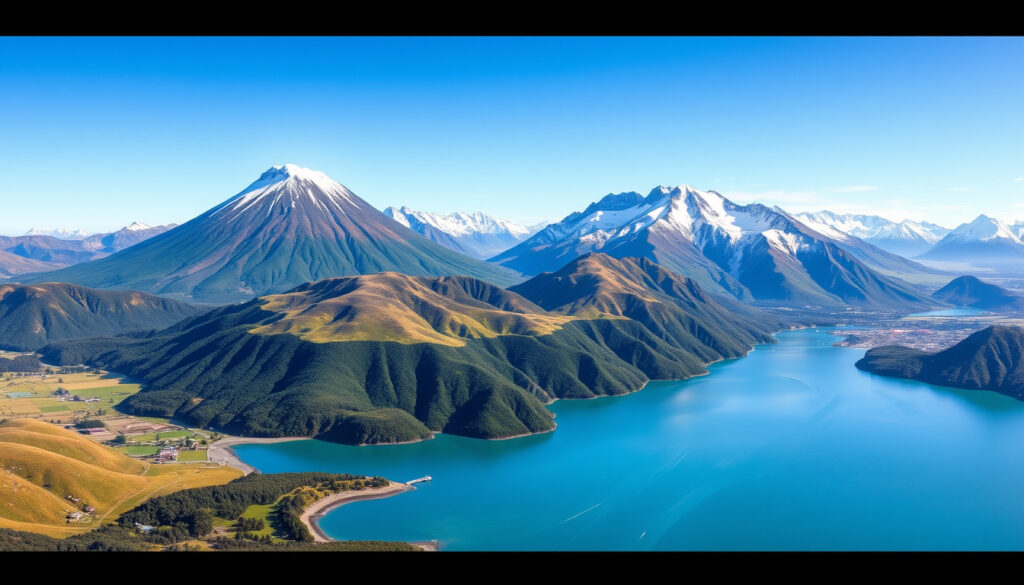
Things to Do in New Zealand – North and South Islands Guide
New Zealand delivers an extraordinary range of experiences across its two islands, from volcanic hikes and geothermal pools to glaciers, fjords, and wildlife encounters. Whether travelers seek adrenaline-fueled adventures, cultural immersion with Māori traditions, or peaceful nature escapes, the country offers compelling options for every interest and budget.
Planning a visit requires understanding how activities cluster across the North and South Islands. The North Island features Auckland as a gateway city, geothermal wonders around Rotorua, and world-class hiking at Tongariro. The South Island contrasts with Queenstown’s adventure reputation, Milford Sound’s dramatic fjords, and extensive glacier regions. Both islands provide family-friendly activities and budget-conscious options that travelers frequently share in community forums.
Top 10 Things to Do in New Zealand
The country’s most celebrated attractions span natural landmarks, adventure sports, and cultural sites. These experiences define the New Zealand travel experience and appear consistently across travel platforms and visitor recommendations.
North Island Highlights
Auckland’s Sky Tower, Tongariro Alpine Crossing, Rotorua’s geothermal sites, and Hobbiton film set draw the largest visitor numbers on this island.
South Island Adventures
Queenstown dominates with bungee jumping and scenic luge rides, while Milford Sound, Franz Josef Glacier, and Lake Wanaka offer dramatic alpine landscapes.
Family-Friendly Spots
Interactive attractions include Puzzling World in Wanaka, Queenstown Luge, the Antarctic Centre in Christchurch, and Hobbiton tours suitable for all ages.
Free and Unique Experiences
Glowworm cave tubing at Paparoa National Park, Hot Water Beach digging, and exploring the many free Great Walk trails provide memorable experiences without high costs.
Key Insights for Travelers
- The Tongariro Alpine Crossing ranks among the world’s premier one-day hikes, featuring volcanic craters, emerald lakes, and Mt. Ngauruhoe at 20 kilometers.
- Milford Sound receives consistent recognition as New Zealand’s most stunning natural site, with fjord cruises and kayaking offering close encounters with waterfalls and dolphins.
- Queenstown functions as the adventure capital, pioneering commercial bungee jumping and hosting skydives from 12,000 to 15,000 feet.
- Waitomo Glowworm Caves and similar sites across multiple locations provide bioluminescent underground experiences unique to New Zealand.
- Māori cultural experiences in Rotorua and the Auckland War Memorial Museum offer authentic connections to indigenous heritage and Pacific collections.
- Abel Tasman National Park combines coastal kayaking with golden beach hiking through crystal-clear waters.
- Kaikoura provides year-round opportunities to swim with or snorkel alongside dusky dolphin pods off the South Island coast.
| Category | Examples | Best For |
|---|---|---|
| Iconic Hikes | Tongariro Alpine Crossing, Roy’s Peak, Lake Marian | Hikers seeking volcanic or alpine panoramas |
| Water Adventures | Milford Sound cruise, Abel Tasman kayaking, dolphin swims | Kayakers, cruisers, wildlife enthusiasts |
| Adventure Sports | Bungy jumping, skydiving, whitewater rafting | Adrenaline seekers, thrill travelers |
| Cultural Sites | Hobbiton, Rotorua villages, Te Papa Museum | Film fans, history lovers, culture seekers |
| Geothermal Sites | Wai-O-Tapu, Rotorua geysers, Hot Water Beach | Nature lovers, relaxation seekers |
| Family Attractions | Queenstown Luge, Puzzling World, Hobbiton | Families with children of varying ages |
Best Things to Do in New Zealand’s North Island
The North Island concentrates geothermal activity, Māori cultural heritage, and some of the country’s most accessible natural attractions. Travelers flying into Auckland can reach most North Island highlights within a few hours of the city.
Auckland and Surrounding Regions
Auckland serves as the primary international arrival point and offers urban attractions including the Sky Tower for panoramic harbor views. Nearby, Piha and Muriwai beaches provide surfing opportunities, while Goat Island marine reserve enables snorkeling and diving experiences just 90 minutes from the city center.
The Bay of Islands region further north invites road trip travelers to Paihia for dolphin cruises, Cape Reinga for lighthouse views at the country’s northern tip, and Waipoua Forest for ancient kauri tree encounters. Cathedral Cove on the Coromandel Peninsula delivers dramatic coastal hiking to a sheltered beach cove.
Volcanic Landscapes and Geothermal Zones
Tongariro National Park contains the celebrated Tongariro Alpine Crossing, a 20-kilometer day hike through volcanic terrain featuring the Red Crater, Emerald Lakes, and Mt. Ngauruhoe. This single-day trail consistently ranks among global hiking highlights for its otherworldly landscapes.
The crossing requires 6-9 hours and demands solid fitness levels. Weather conditions can shift rapidly, so checking forecasts before departure and carrying layers remains essential for safety. Shuttle services operate from nearby towns to transport hikers to trailheads managed by the Department of Conservation.
Rotorua showcases active geothermal systems at Wai-O-Tapu Thermal Wonderland, where geysers erupt and colorful hot pools bubble through mineral-rich earth. The surrounding region also provides deep immersion in Māori culture through traditional performances, village tours, and cultural centers that explain indigenous practices and beliefs.
Film Locations and Coastal Attractions
Hobbiton in Matamata allows visitors to walk through the Shire film set from The Lord of the Rings and The Hobbit trilogies. The reconstructed Hobbit holes and party tree remain fully detailed, offering an experience that resonates particularly with film enthusiasts.
Hot Water Beach on the Coromandel Peninsula presents a unique opportunity to dig personal geothermal pools directly in the sand at low tide. The underground hot springs rise through the beach, creating naturally warm bathing spots when conditions align correctly.
Top Things to Do in New Zealand’s South Island
The South Island rewards travelers with dramatic mountain scenery, coastal fjords, and accessible wilderness. Its landscapes tend toward grandeur, with the Southern Alps dominating the western spine and glaciers descending toward rainforest valleys.
Queenstown and Central South Island
Queenstown carries the designation of adventure capital, having pioneered commercial bungee jumping from the Kawarau Bridge and continuing to host skydiving operations that launch from 12,000 to 15,000 feet above stunning alpine terrain. The town also features the Skyline Gondola and Luge tracks for visitors seeking less extreme activities with equally impressive views.
Lake Wanaka, approximately one hour from Queenstown, provides a slightly calmer atmosphere while offering Roy’s Peak for hikers seeking sunrise panoramas over the glacial lake. Lake Tekapo drives and routes toward Mount Cook showcase the country’s dramatic alpine corridor.
Milford Sound and Fiordland
Milford Sound frequently earns recognition as New Zealand’s most spectacular natural site. Towering fjord walls, numerous waterfalls, and resident dolphin pods define the experience whether visitors choose cruise ships or sea kayaks for exploration. The road to Milford Sound itself passes through some of the country’s most dramatic alpine terrain.
Advance reservations prove essential during peak summer months when visitor numbers surge. Overnight cruise options allow deeper exploration of the fjord beyond day-trip timelines. Similar experiences await at Doubtful Sound, which sees fewer visitors despite comparable beauty.
Glaciers and Wildlife
Franz Josef and Fox glaciers descend through rainforest valleys toward the coast, creating accessible ice formations that visitors can observe from viewing platforms or guided walks. The Tasman Glacier offers a more remote perspective from its terminal lake viewpoint in Aoraki/Mount Cook National Park.
The Catlins region on the southeast coast provides wildlife encounters with seals, penguins, and sea lions along rugged coastal tracks. Nugget Point Lighthouse marks one of the region’s most photographed landmarks, standing above colonies of seabirds and marine mammals.
Things to Do in New Zealand with Kids
New Zealand accommodates family travelers with numerous attractions designed specifically for children, alongside natural settings that appeal across age ranges. Several locations combine entertainment with educational value, making them popular across family travel forums.
Interactive Attractions
Puzzling World in Wanaka challenges visitors with optical illusions, maze structures, and mind-bending rooms that appeal to children and adults alike. The nearby Queenstown Luge offers gravity-fed cart rides down purpose-built tracks with multiple difficulty levels, allowing even young children to participate with parental supervision.
The Antarctic Centre in Christchurch immerses families in simulated polar environments, with penguin encounters and storm simulation experiences. Elm Wildlife Tours departing from Dunedin provide guided coastal excursions where fur seals and albatross colonies create memorable wildlife observations for younger visitors.
Many family attractions offer free entry for children under specific ages, and combination tickets can reduce per-person costs for larger families. Booking morning time slots often means smaller crowds and shorter wait times, particularly during school holiday periods.
Nature-Based Family Activities
Hobbiton tours attract families drawn by the film sets, with easy walking paths and the party tree providing photo opportunities that children remember. The Coromandel Peninsula combines the novelty of Hot Water Beach digging with Driving Creek Railway’s narrow-gauge train rides through regenerating forest, engaging younger passengers with engineered excitement.
Lake Dunstan’s cycle trail offers gentle terrain suitable for family biking, with kayaking rentals available for water-based exploration. The trail follows the lake shoreline with multiple access points allowing flexible trip distances based on children’s stamina levels.
Free and Unique Things to Do in New Zealand
Travelers working within budget constraints discover that New Zealand rewards those who prioritize nature over commercial attractions. Several of the country’s most memorable experiences cost little or nothing, making extended visits more feasible.
Great Walks and Beach Exploration
Many of New Zealand’s celebrated Great Walks remain free to access, including sections of the Tongariro Alpine Crossing and Abel Tasman coastal track. These multi-day routes wind through national parks and conservation areas maintained by the Department of Conservation, with hut bookings required for overnight stays but day hiking available without permits.
Beaches like Piha and Raglan on the North Island’s west coast draw surfers to waves without requiring lift tickets or equipment rental fees. The country’s extensive coastline provides countless free swimming, walking, and wildlife observation opportunities regardless of location.
Unique Natural Experiences
Paparoa National Park offers glowworm cave tubing experiences where visitors float underground beneath bioluminescent ceilings of insect larvae. These caves differ from commercial Waitomo operations by emphasizing solitude and natural navigation rather than guided boat tours.
Remote backcountry activities including glowworm cave tubing and alpine hut stays demand proper preparation. Weather conditions can change rapidly, and cell phone coverage remains unreliable in wilderness areas. Carrying appropriate gear, informing others of plans, and understanding personal limits reduces risks associated with these distinctive opportunities.
Natural hot spring pools appear throughout the country, with free options near Lake Taupo accessible to those completing nearby skydives. The Moke Lake viewpoint near Queenstown rewards drivers with panoramic lake and mountain views without requiring physical exertion beyond a short drive.
Scenic drives connect major destinations through landscapes that rival purpose-built attractions. The route from Christchurch to Queenstown passes Lake Tekapo’s turquoise waters, while the Haast Pass road reveals changing terrain from coast to alpine zones.
A 10-Day Itinerary for First-Time Visitors
Organizing time between islands requires balancing travel distances against desired activities. First-time visitors typically prioritize the country’s most famous landmarks, which cluster in predictable geographic patterns.
- Days 1-3: Auckland and North Island culture — Arrive in Auckland, explore harbor attractions, then drive to Rotorua for geothermal sites and Māori cultural experiences.
- Days 4-5: Tongariro Alpine Crossing — Travel south to complete the crossing, one of the world’s premier day hikes through volcanic landscapes.
- Days 6-7: Waitomo and Hobbiton — Visit glowworm caves and the Lord of the Rings film set before crossing to the South Island.
- Days 8-9: Milford Sound — Fly or drive to Queenstown, then proceed to Milford Sound for fjord exploration by cruise or kayak.
- Day 10: Queenstown departure — Experience local adventure activities or scenic views before departing from Queenstown Airport.
Travelers with additional time extend stays at each location, with Abel Tasman, the glaciers, and the Catlins offering deeper immersion into South Island environments. New Zealand’s official tourism portal provides comprehensive planning resources for visitors arranging extended itineraries across multiple regions.
What Travelers Can Confirm and What Remains Uncertain
Established Information
- Major national parks and conservation areas maintain year-round access with appropriate planning.
- Milford Sound, Tongariro Alpine Crossing, and Queenstown attract the highest visitor numbers and offer the most established infrastructure.
- Seasonal weather patterns affect activity feasibility, with winter months reducing accessibility for some trails and increasing conditions for glacier viewing.
- Commercial adventure operators maintain consistent safety records and trained staff.
Information That Remains Unclear
- Specific opening hours and seasonal closures for smaller attractions change without consistent public notification.
- Individual experiences at free hot spring locations depend on tide, underground water flow, and maintenance conditions that vary.
- Community-shared tips from forum discussions sometimes lack verification, requiring travelers to assess independently.
- Long-term impacts of increased visitor numbers on popular sites remain under ongoing assessment by conservation authorities.
Understanding New Zealand’s Travel Landscape
New Zealand’s geography shapes how travelers experience the country. The relatively compact landmass contains remarkable diversity, from subtropical forests in the north to sub-alpine environments in the south, all accessible within reasonable driving times when routes are planned efficiently.
The distinction between North and South Islands extends beyond political boundaries. The North Island features volcanic activity, geothermal features, and concentrated Māori cultural heritage sites. The South Island presents alpine grandeur, extensive coastlines, and the adventure tourism infrastructure that developed around Queenstown. Travelers frequently discuss these contrasts in community forums, with some preferring the North Island’s accessibility and others drawn to the South Island’s wilderness scale.
Budget considerations influence trip planning significantly. Accommodation, rental vehicles, and organized tours represent the largest expenses, while many natural attractions remain publicly owned and free to access. The Department of Conservation manages extensive trail networks and hut systems that enable multi-day adventures at modest costs compared to commercial tour packages.
Sources and Visitor Perspectives
The Tongariro Alpine Crossing remains one of the most spectacular day walks in the world, passing through dramatic volcanic terrain with views of Mt. Ngauruhoe and the Emerald Lakes.
— Official tourism resources and visitor feedback
Milford Sound is often called the eighth wonder of the world, and for good reason. The sheer scale of the cliffs, the waterfalls cascading down the fjord walls, and the wildlife create an unforgettable experience.
— Travel platform reviews
Visitor reviews and travel platform assessments inform many of the activity rankings featured across planning resources. For those interested in comparing adventure-focused itineraries across different destinations, travel resources from Lonely Planet offer structured frameworks for organizing experiences that span multiple geographic regions.
Summary
New Zealand delivers exceptional diversity within a manageable geographic footprint, offering hikers, adventure seekers, families, and budget travelers equally compelling reasons to visit. The North Island excels in geothermal wonders, cultural heritage, and accessible volcanic landscapes, while the South Island rewards those seeking alpine scale, coastal fjords, and adventure infrastructure. Planning around geographic clusters reduces transit time, while prioritizing free natural attractions expands what’s possible within travel budgets. The country’s established tourism network handles millions of visitors annually while maintaining access to landscapes that rank among the world’s most distinctive.
Frequently Asked Questions
What are the must-see attractions for a first visit to New Zealand?
Most first-time visitors prioritize the Tongariro Alpine Crossing, Milford Sound, and Waitomo Glowworm Caves. These landmarks consistently appear across travel recommendations and represent distinct New Zealand experiences spanning volcanic terrain, coastal fjords, and bioluminescent caves.
Is New Zealand suitable for families with young children?
Yes. Attractions like Hobbiton, Queenstown Luge, Puzzling World, and the Antarctic Centre specifically cater to children. Many natural sites also accommodate families with shorter trails and beach access points suitable for varied physical capabilities.
What free activities are available in New Zealand?
Many Great Walk trails, including sections of Tongariro and Abel Tasman, operate without access fees. Beaches, scenic drives, and city parks provide additional no-cost options. Hot Water Beach and natural hot springs offer free geothermal experiences when conditions align.
How should travelers split time between North and South Islands?
Most visitors allocate 3-4 days for the North Island and 5-7 days for the South Island, though preferences vary based on interests. The North Island suits those prioritizing cultural sites and geothermal features, while the South Island attracts adventure travelers and nature enthusiasts.
When is the best time to visit New Zealand?
Summer months from December to February offer the warmest weather and longest daylight hours, making outdoor activities most accessible. Shoulder seasons provide smaller crowds but reduced daylight and potential trail closures in alpine areas.
What adventure activities is New Zealand known for?
New Zealand pioneered commercial bungee jumping and continues hosting skydiving, whitewater rafting, and glacial hiking operations. Queenstown serves as the primary hub for extreme sports, while locations like Kaikoura offer wildlife swimming experiences.
How much does a New Zealand trip cost?
Costs vary significantly based on accommodation standards and activity choices. Budget travelers managing accommodation, self-catering meals, and free outdoor activities can travel comfortably, while those booking organized tours and premium lodging face substantially higher expenses.
More related posts
 Cast of The Sandman TV Series: Full List & Cancellation News
 Cahn vs Tampines Rovers – Final Score, 3-1 Win Secures Quarterfinals
 Cafe in the West: Best Cafes Newcastle West & Castleblayney
 Tims Restaurant & Cafe Menu: Prices, Dishes & Set Lunch
 Slot Gaming: Winning Strategies, Myths, and the Biggest Jackpots
 Go.gov.sg CDC Voucher 2026: How to Claim & Redeem
 Singapore Currency to India: SGD to INR Rates Guide
 5 USD to SGD: Current Exchange Rate and Conversion