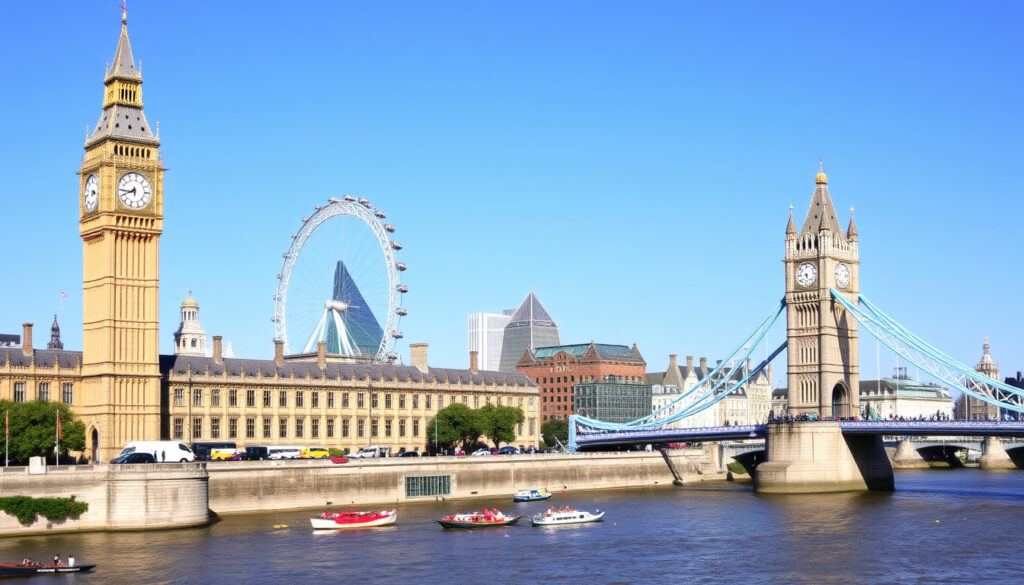
What to Do in London – Best Attractions, Free Activities and Itineraries
London stands as one of the world’s most visited cities, offering everything from centuries-old landmarks to cutting-edge cultural venues. Whether travelers arrive with three days or three weeks, the capital consistently delivers experiences that appeal across all ages, budgets, and interests. This guide compiles the essential attractions, free activities, and practical itineraries that help visitors navigate the city with confidence.
The United Kingdom’s capital balances historic grandeur with modern energy. Towering above the Thames, centuries-old institutions coexist alongside innovation hubs and thriving creative districts. Families discover playgrounds and interactive museums, couples find romantic riverside walks, and budget travelers access world-class attractions without spending a penny. The city’s compact central core makes many highlights reachable on foot, while its extensive public transport network connects farther-flung neighborhoods efficiently.
What Are the Best Things to Do in London?
First-time visitors often struggle to narrow down priorities. London contains over 1,000 attractions, from household names like Big Ben to hidden gems scattered across its diverse boroughs. The following overview captures the experiences most travelers consider essential.
Big Ben & Westminster
Iconic clock tower and historic parliament building
Time needed: 1–2 hours
British Museum
Free entry, 2 million years of human history
Time needed: 2–4 hours
London Eye
Panoramic views from 135 meters above the Thames
Time needed: 30–45 minutes
Borough Market
Historic food market with global cuisines
Time needed: 1–2 hours
Beyond these highlights, the city rewards those who dig deeper. Tate Modern sits beside the South Bank, offering free entry to an internationally renowned modern art collection. The National Gallery near Trafalgar Square houses European masterpieces from the 13th to the 20th century. Tower Bridge continues functioning as a working drawbridge, with its Victorian engine rooms open to visitors who want to understand how it operates. For those interested in comparing global urban attractions, our guide to the Seven Wonders of the World provides context on how London’s offerings stack up against other iconic destinations worldwide.
Key Insights for Planning Your Visit
- London offers more than 20 major attractions with free entry, including its most celebrated museums
- An Oyster card provides the most economical way to use the Underground and buses, with daily caps around £10 for adults
- Popular paid attractions like the Tower of London sell out quickly during peak season—booking in advance is strongly recommended
- The best weather for outdoor sightseeing typically falls between May and September
- Many attractions offer early morning or late evening openings that help visitors avoid peak crowds
- The city works equally well for single-day visits or extended stays of a week or longer
- Walking proves practical for many central London routes, with most major sites within reasonable distance of each other
| Quick Fact | Details |
|---|---|
| Total attractions in the city | Over 1,000 |
| Free major attractions | More than 20 |
| Best visiting season | Spring through early autumn (May–September) |
| Average daily budget | £50–100 per person |
| Getting around | Oyster card or contactless payment |
| Museum entry | Most major museums are permanently free |
What Can You Do in London for Free?
One of London’s greatest strengths lies in its commitment to accessible culture. The city maintains a tradition of free entry to national museums and galleries that dates back centuries. Travelers on tight budgets find particularly strong options here, with world-class institutions requiring no admission fee whatsoever.
Free Museums and Galleries
The Natural History Museum draws families with its dinosaur skeletons, earthquake simulators, and the famous blue whale model suspended in the main hall. Children gravitate toward interactive exhibits scattered throughout the Victoria and Albert Museum, while the British Museum’s Rosetta Stone and Egyptian mummies capture imaginations across generations. Tate Modern offers free admission to its permanent collection, including works by Picasso, Warhol, and Hockney, with drop-in workshops using clay and drawing materials available without charge.
The National Gallery provides free storytelling sessions for children under five, making it one of the few venues actively designed for the youngest visitors. Parents can pick up activity trails at the entrance, guiding families through masterpieces in ways that keep children engaged.
Parks, Gardens, and Outdoor Spaces
Greenwich Park offers panoramic views across the city from its elevated position, with the historic Royal Observatory sitting at its peak. The Queen Elizabeth Olympic Park in Stratford provides accessible playgrounds, interactive fountains that children adore during warmer months, and walking paths connecting several stadiums and venues from the 2012 Games. Hyde Park and Kensington Gardens stretch across hundreds of acres, featuring the Serpentine Lake where visitors can hire rowing boats during summer months.
The Diana Princess of Wales Memorial Playground in Kensington Gardens contains an enormous wooden pirate ship that has delighted children for decades, though visitors should check current status before arriving as renovations occasionally affect access. Crystal Palace Park in south London combines dinosaur sculptures with a working farm and hedge maze, creating a unique blend of prehistoric imagination and rural charm. Those exploring London’s diverse neighborhoods might also enjoy comparing it with other urban destinations in our comparison of Crystal Palace vs Fredrikstad.
Iconic Views and Landmark Watching
The Changing of the Guard ceremony at Buckingham Palace remains one of London’s most recognizable spectacles, occurring most mornings and drawing crowds without requiring any ticket purchase. St James’s Park hosts pelican feeding at 2:30pm daily, a quirky tradition that dates back centuries when King Charles II received the birds as a diplomatic gift.
Platform 9¾ at King’s Cross Station draws Harry Potter fans with its iconic luggage trolley breaking through the wall, complete with a queue for photographs that can stretch around the corner on busy days. The Sky Garden provides free entry to an indoor garden with panoramic city views, though visitors must book tickets in advance through the official website as slots fill quickly.
While most museums and parks require no payment, venues like the Sky Garden demand advance reservation. Travelers should book at least two to three weeks ahead during peak season. The Natural History Museum and Science Museum operate timed entry slots during busy periods—arriving early in the day improves chances of immediate admission.
What to Do in London in 3 Days?
Three days provides a solid foundation for exploring London’s highlights without feeling rushed. The following itinerary balances iconic landmarks with neighborhood discoveries, alternating between indoor museums and outdoor attractions to account for the capital’s notoriously changeable weather.
Day 1: Icons and Westminster
Begin at Buckingham Palace to catch the Changing of the Guard ceremony, timing your arrival at least 30 minutes early to secure a good viewing spot. The adjacent St James’s Park offers a peaceful retreat with its lake, pelicans, and a playground that works well for families with younger children. Walk past Downing Street toward Westminster, taking in the exterior of 10 Downing Street and the imposing facades of government buildings along the route.
Westminster Abbey’s Gothic architecture commands attention from outside, and the evening brings free Evensong choral services that visitors can attend without purchasing admission to the main nave. Big Ben’s clock tower rises beside the parliament buildings, with the Westminster Bridge providing classic photographic angles that appear in countless travel memories.
Those traveling with children might prefer swapping the formal abbey tour for the Churchill War Rooms, an underground bunker where wartime leaders directed operations during World War II. The site includes engaging exhibits suitable for older children and teenagers with an interest in history.
Day 2: Museums and the South Bank
Dedicate the morning to the Natural History Museum or the Science Museum, both located in South Kensington and easily reached via the Underground. The Natural History Museum alone contains tens of thousands of specimens spread across multiple floors, making a comprehensive visit challenging within a single morning. Families with younger children should prioritize the dinosaur gallery and the interactive galleries on the ground floor.
The afternoon moves toward the South Bank, where the Tate Modern’s free workshops offer creative activities for all ages. The National Gallery’s storytelling sessions engage under-fives on weekday mornings, providing a cultural experience tailored specifically to toddlers and preschool children. The walk along the South Bank passes street performers, bookstalls, and seasonal markets that add color and energy to the riverside promenade.
Borough Market operates most days, offering international cuisines that make excellent lunch options for families. The selection ranges from artisan cheeses and cured meats to Vietnamese pho and Nigerian jollof rice, reflecting London’s status as one of the world’s most diverse capitals. Evening entertainment at the Outernet brings digital art installations and light shows that transform the venue into an immersive experience after dark.
Day 3: Greenwich and East London
East London’s Greenwich neighborhood requires a boat journey or train ride to reach, but rewards visitors with its combination of royal history and sweeping views. Greenwich Park’s hilltop provides views across the River Thames that photographers favor for capturing the city’s skyline. The Queen’s House gallery showcases Renaissance artworks in a setting of architectural elegance.
The Cutty Sark Gardens beside the historic clipper ship offer outdoor space with café options for refreshments. Families might alternatively head to the Queen Elizabeth Olympic Park in Stratford, where children can splash through interactive fountains during warmer months or explore the playgrounds scattered throughout the park’s grounds.
Evening options include Covent Garden’s street performers and live music, or the Lego Store in Leicester Square where children can play with displays while adults browse the merchandise. Optional paid upgrades like a fast-track London Eye ticket or a short boat cruise along the Thames add memorable experiences for those whose budgets allow.
What to Do in London with Kids?
London ranks among Europe’s most family-friendly destinations, with attractions specifically designed to engage younger visitors alongside adult-oriented experiences that captivate all ages. The city’s compact central geography proves advantageous for families, many of whom find that children can walk between major sites without the fatigue that would accompany similar distances in larger cities.
Playgrounds and Interactive Spaces
Coram’s Fields in central London operates as a dedicated family center containing multiple playgrounds, a paddling pool, and a small farm with animals that children can visit free of charge. The venue restricts adult entry to those accompanied by children, creating a genuinely family-focused environment without the commercialization found at many tourist attractions.
Granary Square near King’s Cross features fountains with color-changing water jets that children find irresistible during warmer months, while the adjacent canal offers scenic walks away from traffic. The Diana Memorial Playground’s wooden pirate ship remains one of London’s most celebrated play structures, though visitors should verify current access as renovation work periodically affects availability.
Family-Friendly Museums
The Science Museum’s basement floor contains an entire gallery of interactive exhibits specifically aimed at children under seven, with water play areas and building challenges that keep young hands busy. The Natural History Museum’s Hintze Hall amazes children with its blue whale skeleton, while the Dinosaur Gallery provides the photo opportunities that young visitors remember most vividly.
The Victoria and Albert Museum’s childhood galleries trace the history of toys and games through the centuries, with display cases containing dolls, train sets, and board games that resonate with adults who grew up playing similar items. Harry Potter fans find their pilgrimage complete at the Warner Bros. Studio Tour, though this paid venue requires separate booking and transportation from central London.
Children under 11 travel free on London’s Underground and buses when accompanied by a fare-paying adult. This policy significantly reduces daily transport costs for families, who should consider purchasing an Oyster card for each adult rather than relying on contactless bank cards that may not automatically apply child pricing.
Budget-Friendly Planning
Managing expenses in London requires strategic choices, but the city’s numerous free attractions mean that even travelers on tight budgets can fill their days meaningfully. The average daily cost of £50–100 per person covers accommodation in modest lodgings, meals at mid-range establishments, and transport, while those prioritizing free activities can spend considerably less while still accessing the city’s best experiences.
Lodging costs drive the largest variable in travel budgets. Staying in neighborhoods like Notting Hill, Bloomsbury, or Southwark puts visitors within walking distance of major attractions while avoiding the premium pricing of Mayfair or Covent Garden. Vacation rentals with kitchen facilities allow families to prepare simple breakfasts and lunches, reducing reliance on restaurant dining that quickly consumes budget allocation.
Food markets including Borough Market, Brick Lane, and White City offer substantial meals at prices significantly below restaurant tariffs. A prepared picnic from one of London’s numerous supermarkets costs roughly £5 per person, compared to £15–20 for a similar meal at a casual restaurant. Many pubs serve substantial Sunday roasts at prices that represent better value than dedicated tourist restaurants.
Rainy Day Alternatives
London’s reputation for wet weather stems from reality rather than reputation. Average rainfall spreads relatively evenly across the year, with no truly dry season that visitors can rely upon. This climatic reality makes familiarizing yourself with quality indoor attractions essential for any itinerary.
The South Kensington museum cluster offers multiple days of indoor exploration without requiring outdoor exposure. The Natural History Museum, Science Museum, and Victoria and Albert Museum occupy adjacent buildings along Exhibition Road, with covered passages connecting some spaces and plenty of cafés nearby for refreshment breaks. The British Museum, the National Gallery, and the Tate Modern similarly provide extensive indoor spaces designed for leisurely exploration.
Covered markets offer shelter alongside food shopping opportunities. Leadenhall Market combines Victorian architecture with boutique shopping, while Covent Garden’s Jubilee Market sells crafts, gifts, and fresh produce under a permanent roof. The Outernet venue provides an entirely indoor entertainment experience with digital art installations, screenings, and dining options that require no outdoor exposure.
Checking forecasts before heading outdoors remains advisable even during summer months. London’s rain tends toward short bursts rather than sustained downpours, meaning that an umbrella rather than full waterproof clothing often suffices. Morning rain frequently clears by afternoon, particularly during spring and autumn.
When to Visit London
Timing your visit significantly affects both pricing and availability. The summer months of July and August bring the highest visitor volumes, longest daylight hours, and premium accommodation rates. Easter and the Christmas period create their own peak seasons, with festive markets and winter light displays drawing travelers seeking seasonal experiences.
- Spring (April–May): Mild temperatures, blooming parks, moderate crowds, reasonable pricing
- Early summer (June): Longer days, outdoor events, school holiday approaches
- Peak summer (July–August): Highest crowds, warmest weather, premium prices
- Autumn (September–October): Pleasant temperatures, fall foliage, thinning crowds
- Winter (November–February): Lowest prices, shortest days, festive events at Christmas
What Travelers Can Confirm versus What Remains Uncertain
Certain elements of London visiting remain consistent regardless of external factors. Major museums maintain free admission as permanent policy, with no indication of changes to this tradition. Transport networks operate on established schedules, and the Oyster card system continues functioning reliably for visitors from any country.
Established Information
- Museums including the British Museum, Natural History Museum, and Tate Modern offer permanent free admission
- The Oyster card provides the most economical transport option with daily caps
- Sky Garden requires advance booking at no cost
- Children under 11 travel free on public transport with a paying adult
- Changing of the Guard occurs on most mornings at Buckingham Palace
Variable Information
- Specific timing of the Changing of the Guard may change seasonally
- Playground availability can shift due to renovation work
- Special exhibitions at museums may require paid tickets
- Operating hours expand during summer and contract in winter
- Festival dates and special events vary year to year
The Broader Context
London’s position as a global capital stems from centuries of accumulated cultural, political, and economic significance. The city’s museums grew from royal collections assembled during the Tudor and Stuart dynasties, eventually being transferred to public ownership and management during the 18th and 19th centuries. This heritage explains why institutions like the British Museum and the Royal Botanic Gardens bear organizational names that reflect their origins as crown properties.
The Thames River has always defined London’s geography and economy. The river remains actively used for transport, with passenger boats connecting piers from Westminster to Greenwich and beyond. The South Bank’s transformation from industrial wharves to cultural promenade during the 20th century illustrates how the city continually reinvents itself while preserving historic character.
Public investment in cultural infrastructure shows no signs of diminishing. The 2012 Olympics triggered massive regeneration in East London, creating the Queen Elizabeth Olympic Park that now serves millions of visitors annually. Ongoing development projects in districts like Nine Elms continue expanding the city’s capacity to welcome travelers from around the world.
What Visitors Are Saying
“London’s museums are world-class and largely free—it’s remarkable how much you can experience here without spending a fortune.” — VisitLondon
“The city strikes a balance between iconic sights and neighborhoods that feel genuinely lived-in. Families with children will find more than enough to fill a week.” — TripAdvisor reviewer
Sources including VisitLondon, TimeOut London, and TripAdvisor continue updating their recommendations based on current conditions. Travelers should verify opening hours and seasonal variations directly with venues, as circumstances can change. Transport for London maintains real-time information about Underground and bus services that proves invaluable for day-to-day navigation.
Summary
London delivers an exceptional range of experiences that justify its status as one of the world’s most visited cities. Travelers discover free museums housing treasures that other destinations charge premium prices to access, parks that provide breathing room within one of Europe’s largest capitals, and cultural institutions that span millennia of human creativity. Families find playgrounds, interactive museums, and transport policies designed with children in mind. Couples uncover romantic riverside walks, elevated gardens, and intimate dining options in neighborhoods far from the tourist trail. Budget travelers access more than 20 major attractions without spending a penny, while those seeking memorable splurges find world-class venues worthy of every pound spent. For more about remarkable global destinations, explore our guide to the Seven Wonders of the World or compare urban adventures with our piece on Crystal Palace vs Fredrikstad.
Frequently Asked Questions
What can I do in London when it rains?
London’s museums provide excellent indoor alternatives during wet weather. The Natural History Museum, Science Museum, British Museum, and Tate Modern all offer extensive indoor spaces with attractions spanning hours of exploration. Covered markets like Borough Market, Leadenhall Market, and Covent Garden’s Jubilee Market also provide shelter alongside shopping and dining options.
What is the best time of year to visit London?
May through September offers the warmest temperatures and longest daylight hours for sightseeing. Spring brings blooming parks and moderate crowds, while summer provides peak energy but also peak pricing. Autumn often delivers pleasant weather with thinner visitor numbers. Lonely Planet’s London guide provides detailed seasonal insights.
How many days do I need to see London properly?
Three days allows visitors to cover major central attractions and experience different neighborhoods. First-time visitors typically find that five to seven days provides a more relaxed pace, allowing time for day trips to nearby destinations like Windsor Castle or Hampton Court Palace. Even visitors staying longer continue discovering new experiences.
Is four days enough for London?
Four days strikes a comfortable balance between comprehensive touring and manageable planning. This duration allows visitors to include one dedicated museum day, one walking-focused day covering landmarks, and two days exploring neighborhoods or taking day trips. Families with children might prefer extending to a full week to avoid over-scheduling young travelers.
What should I not miss in London?
The Changing of the Guard at Buckingham Palace, the British Museum, the South Bank walk between Westminster and Tower Bridge, and at least one park such as Hyde Park or Greenwich Park represent the essential experiences that most visitors consider non-negotiable. The specific itinerary depends on individual interests and available time.
What is the number one attraction in London?
No single attraction universally ranks as the clear winner, as visitor preferences vary significantly. The British Museum frequently appears in international visitor rankings due to its combination of free admission and extraordinary collection. TripAdvisor consistently features the British Museum among the top-rated London attractions.
Is one day enough to see London?
A single day cannot encompass London’s full range of experiences, but visitors with limited time can prioritize a focused itinerary covering Westminster, the South Bank, and one or two museums. Many first-time visitors return for longer stays after discovering the city’s depth during a brief initial visit.
More related posts
 Payment Crackdown: Trustly Withdraws as Nordic Regulators Tighten Net
 DBS Credit Card Fee Waiver: How to Waive Annual Fees
 UOB Gold Price Singapore Chart: Latest Buy/Sell & Trends
 Singapore Electricity Price Chart 2026: Compare Cheapest Rates
 Sheng Siong Supermarket Photos: Singapore Stores & Promotions
 New BTO Launch 2025: Projects, Prices & Waiting Times
 USA Rare Earth Share Price – Live Quote, Charts & Forecast
 เรทเงินสิงคโปร์วันนี้: 1 SGD to THB Rate Today (25.75)