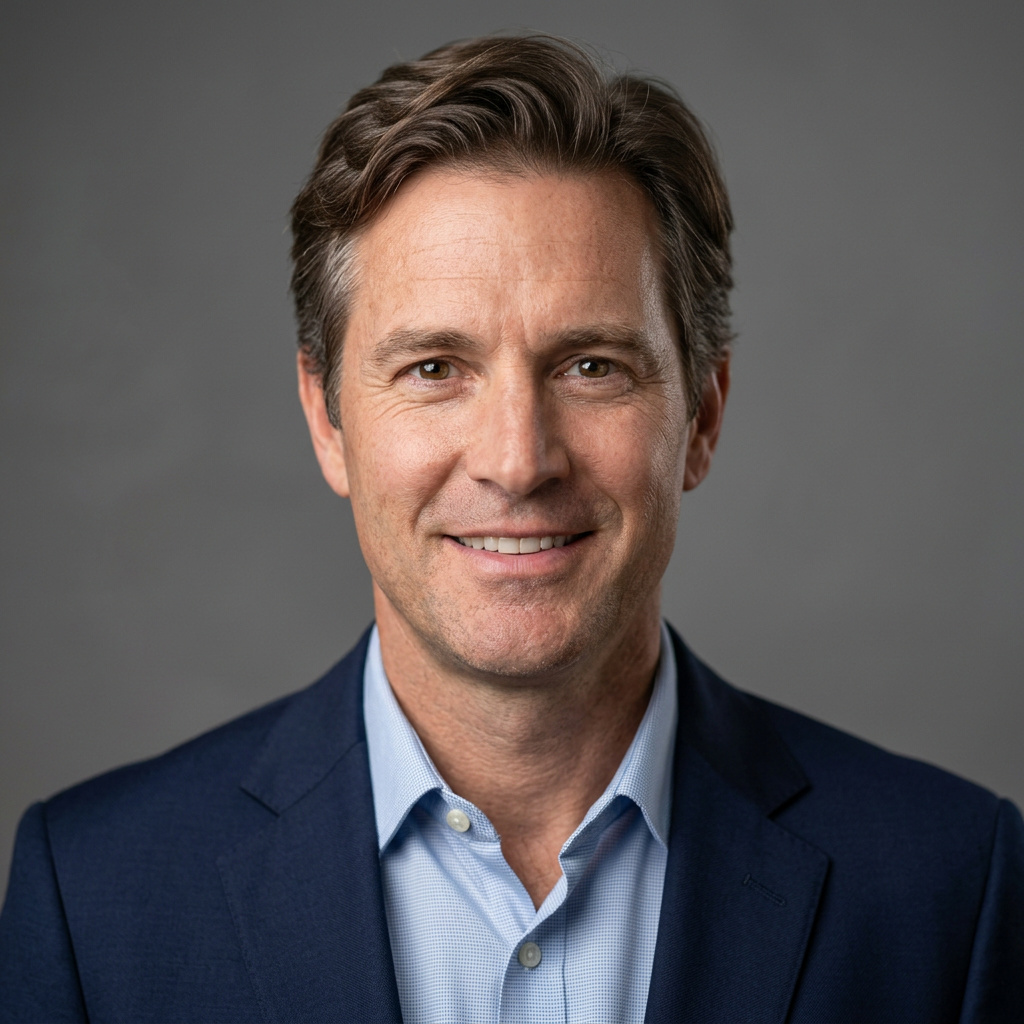
Dr Liew Woei Kang: Paediatric Allergy Immunology Expert
When a child’s symptoms span multiple body systems — skin rashes, recurring infections, joint pain — most specialists can only address one domain at a time. Dr Liew Woei Kang trained specifically to close that gap, holding simultaneous expertise in paediatric allergy, immunology, and rheumatology — a combination so rare in Singapore that he is often the referral destination when cases fail to fit a single-specialty box.
Primary Specialty: Paediatric Allergy · Subspecialties: Immunology and Rheumatology · Key Practice Location: Mount Elizabeth Novena Hospital, Singapore · Clinic Role: Medical Director, Paediatric Allergy Immunology Rheumatology Centre · Experience Focus: Managing paediatric allergy disorders
Quick snapshot
- Paediatrician subspecialising in allergy, immunology, and rheumatology since the early 2000s (Foundation Healthcare)
- Graduated MBBS from National University of Singapore in 1997 (Paediatric Allergy Immunology Rheumatology Centre)
- Medical Director at PAIRC, Mount Elizabeth Novena Specialist Centre (Wizlink Consulting)
- Exact start date for his private practice at PAIRC after leaving SBCC in 2019
- Current consulting hours or appointment availability specifics
- Recent publication record or latest research grant details post-2018
- 1997 — MBBS graduation, National University of Singapore
- 2003 — MRCPCH (UK) certification
- 2007 — MOH HMDP award for advanced training at Royal Children’s Hospital Melbourne
- 2009 — FAMS (Paediatric Medicine) fellowship
- Continued leadership in Allergy Clinical Immunology Society (Singapore) as current President
- Visiting senior consultant role at KKH maintains public-private bridge
- PAIRC expansion of advanced biologic therapies for paediatric patients
| Label | Value |
|---|---|
| Name | Dr Liew Woei Kang |
| Profession | Paediatrician |
| Subspecialties | Paediatric Allergy, Immunology, Rheumatology |
| Main Hospital | Mount Elizabeth Novena Hospital, Singapore |
| Clinic | Paediatric Allergy Immunology Rheumatology Centre |
| Role | Medical Director and shareholder, Singapore Women’s & Children’s Medical Group |
Which doctor is best for allergy treatment?
Finding the right specialist for your child’s allergies often comes down to matching the condition’s complexity with a doctor’s depth of training. General paediatricians handle routine allergic rhinitis and mild eczema well, but children with multiple organ systems involved — say, food allergies plus recurrent infections plus joint pain — typically need a subspecialist who can see across allergy, immunology, and rheumatology simultaneously.
Paediatric specialists like Dr Liew Woei Kang
Dr Liew Woei Kang is a Singapore-based paediatrician whose three-way subspecialty in allergy, immunology, and rheumatology puts him in a small group of specialists. He trained at KK Women’s and Children’s Hospital, where he served as founding paediatric immunology specialist, and later received an MOH HMDP award in 2007 for advanced training at Royal Children’s Hospital Melbourne under Professor Mimi Tang and Dr Roger Allen (Sciconf Conference Database).
The implication: When a child’s symptoms span multiple systems — skin, gut, immune response, joints — a single specialist who can coordinate across these areas reduces the need for multiple referrals and fragmented care plans.
What this means: A doctor who holds all three subspecialties can often diagnose conditions that would require two or three separate specialist referrals elsewhere, making the initial evaluation more comprehensive even if the clinical presentation appears confusing.
Factors in choosing an allergy doctor
Credentials matter, but practical factors weigh heavily for Singapore families. Consider whether the doctor operates at a hospital with paediatric emergency facilities (Mount Elizabeth Novena has 24-hour capability), whether they accept your insurance or medical savings, and whether their clinic location is accessible from your home or school zone. Dr Liew’s practice at PAIRC in the Mount Elizabeth Novena Specialist Centre offers the hospital’s emergency backstop while maintaining a private-clinic experience (The New Age Parents).
For families seeking a specialist with a strong research background and hospital privileges, Dr Liew’s combination of private practice with a visiting senior consultant role at KKH offers both worlds — clinical convenience and access to public-hospital knowledge transfer for complex cases.
What is the difference between an allergist and an immunologist?
The terms overlap enough that many parents wonder whether they’re looking for an allergist or an immunologist — or whether there’s even a meaningful difference. In practice, the boundaries blur, particularly in paediatric care where allergic and immunological conditions frequently co-occur.
Role definitions
An allergist typically focuses on IgE-mediated reactions — the immediate immune responses to foods, pollen, insect venom, and drugs that produce hives, wheezing, or anaphylaxis. An immunologist, by contrast, studies the broader immune system, including primary immunodeficiencies (where children get recurrent, unusual, or severe infections), autoimmune conditions (where the immune system attacks the body’s own tissues), and autoinflammatory disorders (periodic fever syndromes) (Foundation Healthcare).
Overlap in paediatric care
Dr Liew’s training covers both domains. He manages asthma, allergic rhinitis, eczema, food and drug allergies alongside primary immunodeficiency diseases, periodic fever syndromes, Kawasaki disease, and juvenile arthritis (Foundation Healthcare). The rheumatology component adds a third layer: autoimmune and autoinflammatory conditions that affect connective tissues, joints, and blood vessels. This is why his clinic is called the Paediatric Allergy Immunology Rheumatology Centre — PAIRC — reflecting the intentional integration of all three fields.
The pattern: Most specialists operate in one or two of these domains. Dr Liew’s three-way subspecialty is the exception — making him a referral destination for cases that don’t fit a single-specialty box.
What is the 3 day rule for allergies?
The “3 day rule” refers to a guideline sometimes used in allergy assessment for young children, particularly around food introduction and reaction monitoring. It is not a universally standardised protocol but rather a practical framework used in some clinical settings to observe whether a suspected reaction occurs within a defined observation window after a food is introduced.
Application in babies and food allergies
In paediatrics, introducing new foods to a child with a family history of atopy requires careful monitoring. The 3-day observation window helps clinicians distinguish between a one-time sensitivity reaction and a consistent allergic pattern. Children’s Hospital Los Angeles guidance suggests parents introduce single-ingredient foods one at a time, waiting 3–5 days between each new food to identify any reaction source clearly. While not a hard diagnostic rule, it serves as a practical parental framework for early allergen introduction and monitoring.
Relevance to paediatric management
Dr Liew’s practice includes food and drug challenges — controlled clinical procedures where a suspected allergen is administered in escalating doses under medical supervision to confirm or rule out allergy (The New Age Parents). These challenges are far more definitive than home observation and are typically reserved for cases where the clinical history is ambiguous or where an allergy must be ruled out before a procedure (such as a drug challenge before surgery).
What this means: Parents should understand that the 3-day rule is a screening tool, not a diagnostic standard. When the observation period produces ambiguous results or when a child’s history suggests higher risk, supervised clinical challenges at a facility equipped for anaphylaxis management become necessary.
What are the 9 major foods that cause 90% of allergic reactions?
Understanding which foods account for the vast majority of allergic reactions helps parents prioritise what to watch for during introduction, particularly in children with a family history of atopy. The USDA Food Safety and Inspection Service identifies what it calls the “Big 9” allergens that account for the majority of food allergy reactions globally.
List from USDA
The Big 9 are: milk, eggs, peanuts, tree nuts, fish, crustacean shellfish, wheat, soy, and sesame. These nine food categories are responsible for approximately 90% of allergic reactions in many Western and Asian populations. In Singapore’s multiracial context, this list is broadly applicable, though local dietary patterns (greater exposure to shellfish, peanuts, and soy-based products) mean that peanut and shellfish allergies tend to present early and with higher community awareness.
Paediatric implications
In children, the allergy landscape differs from adults — some children outgrow milk, egg, wheat, and soy allergies by school age, while peanut and tree nut allergies tend to persist. Dr Liew’s clinic manages food allergies across this full spectrum, from initial diagnosis through oral immunotherapy for eligible patients (Foundation Healthcare). Immunotherapy (also called desensitisation) involves giving small, gradually increasing doses of the allergen in a controlled clinical setting to reduce the severity of future reactions.
The implication: For Singapore families, the local dietary context adds urgency to the peanut and shellfish categories. Introducing these foods under clinical supervision, rather than at home, becomes worth considering when a child’s family history suggests elevated risk.
What is the hardest autoimmune disease to diagnose?
Autoimmune diseases are notoriously difficult to diagnose because their early symptoms — fatigue, joint pain, low-grade fever — overlap with dozens of common childhood complaints. No single test confirms most autoimmune conditions; diagnosis instead relies on a combination of clinical pattern recognition, blood marker panels, imaging, and sometimes tissue biopsy.
Common challenges
Conditions like systemic lupus erythematosus (SLE), juvenile dermatomyositis, and vasculitis often present with vague, waxing-and-waning symptoms that delay diagnosis by months or even years. Primary immunodeficiencies present an additional challenge: recurrent infections that seem like normal childhood illnesses until the frequency, severity, or unusual organism type raises alarm. Dr Liew treats complex immunological disorders including primary immunodeficiencies and recurrent infections (LYFLINE) and rheumatological conditions like Henoch Schonlein Purpura (LYFLINE).
Link to rheumatology expertise
Dr Liew’s subspecialty in rheumatology positions him to evaluate autoimmune presentations that cross the allergy-immunology boundary. Kawasaki disease — which affects coronary arteries in children and requires prompt treatment to prevent aneurysm — is one condition where his training as both an immunologist and rheumatologist is particularly relevant. He has received research grants from the National Medical Research Council, SingHealth Foundation, and KKH Research Centre for studies including Kawasaki disease (Paediatric Allergy Immunology Rheumatology Centre).
The catch: When a child’s autoimmune symptoms span multiple systems — joints, skin, immune response — the diagnostic delay can have consequences. Having a rheumatologist who also understands immunology reduces the number of referrals and shortens the time to a coordinated treatment plan.
Confirmed facts
Three entities shape Dr Liew’s current practice: PAIRC as his clinical home, KKH as his foundational training ground, and Mount Elizabeth Novena as his hospital affiliation. The picture is consistent across sources — a specialist who moved from Singapore’s public paediatric system into private practice, maintaining a consulting role at KKH while building PAIRC as a dedicated centre for complex paediatric immunology cases.
What’s unclear
Two practical questions lack public answers: what are his current consulting hours and appointment availability at PAIRC, and what is the timeline of his transition from SBCC Baby & Child Clinic (where he practiced from 2011 to 2019) to his current private practice. Patients seeking appointment details should contact PAIRC directly at Tel 66944803 or email dr@pairc.sg (The New Age Parents).
Allergist vs. immunologist: Comparison table
Eleven comparison points illuminate the scope differences between a general allergist, an immunologist, and Dr Liew’s combined practice.
| Dimension | General Allergist | Immunologist | Dr Liew Woei Kang |
|---|---|---|---|
| Primary focus | IgE-mediated allergy (hives, anaphylaxis, allergic rhinitis) | Immune system dysfunction, immunodeficiency, autoimmune disease | Integrated allergy + immunology + rheumatology |
| Typical conditions | Asthma, allergic rhinitis, eczema, food allergy, drug allergy | Primary immunodeficiency, periodic fever syndromes, SLE, vasculitis | Full spectrum: asthma through Kawasaki disease, primary immunodeficiency, food immunotherapy |
| Training pathway | Paediatrics or internal medicine + allergy fellowship | Paediatrics or internal medicine + immunology subspecialty | Paediatric medicine + allergy, immunology, rheumatology subspecialty (KKH) |
| Diagnostic tools | Skin prick test, specific IgE blood test, component testing | Immune function panels, genetic testing, flow cytometry | Full allergy workup + immune panels + rheumatological imaging and labs |
| Therapeutic scope | Allergen avoidance, antihistamines, corticosteroids, epinephrine | Immunoglobulin replacement, immunosuppressants, biologics | Allergy treatments + immunotherapy + biologics + intra-articular joint injections |
| Food challenges | Yes, for food allergy diagnosis | Limited — focused on diagnosing underlying immune defects | Yes, both diagnostic and therapeutic (oral immunotherapy) |
| Paediatric-specific | Varies — some allergists see primarily adults | Varies — immunologists often see adult patients | Exclusively paediatric patients |
| Autoimmune conditions | No | Yes — primary domain | Yes — Kawasaki disease, juvenile arthritis, Henoch Schonlein Purpura |
| Research activity | Variable | Often academic or translational research | National Medical Research Council grants; studies on anaphylaxis, drug allergy, PID, Kawasaki disease |
| Professional affiliations | AAAAI, EAACI (international) | National immunology societies | AAAAI, EAACI, Allergy Clinical Immunology Society (Singapore) President |
| Singapore public hospital role | Usually none in private practice | Variable | Visiting Senior Consultant, KKH Immunology |
Upsides and downsides of consulting Dr Liew
Upsides
- Single specialist coordinates allergy, immunology, and rheumatology — reduces fragmented care for complex cases
- Over 20 years of experience across public (KKH) and private practice settings
- Active researcher with NMRC grants — stays current with latest treatments including advanced biologics
- Current President of Allergy Clinical Immunology Society (Singapore) — professional leadership signals peer recognition
- Performs oral immunotherapy and food challenges in a hospital-equipped setting
- Visiting senior consultant role at KKH maintains public-hospital knowledge transfer
- Speaks English and Mandarin — accessible to a broad Singapore demographic
Downsides
- Private practice at Mount Elizabeth Novena means higher out-of-pocket costs than public specialist clinics
- Appointment availability may be limited — subspecialists often have wait times
- Exclusively paediatric — not suitable for adult patients with allergy or immunology concerns
- Practice focused on complex cases — may not be the most efficient choice for straightforward allergic rhinitis or mild eczema manageable by a general paediatrician
- Consulting hours and specific availability not publicly listed — requires direct enquiry
Dr Liew Woei Kang is the founding paediatric immunology specialist and continues to be a visiting senior consultant to KKH.
— Paediatric Allergy Immunology Rheumatology Centre (Primary clinic website with detailed biography and timeline)
He received several research grants from the National Medical Research Council, SingHealth Foundation, and KKH Research Centre for studies on paediatric anaphylaxis, drug allergy, primary immunodeficiency, and Kawasaki disease.
— Paediatric Allergy Immunology Rheumatology Centre (Research grants and academic output)
Related reading: 94 Dawson Family Clinic in Queenstown · MOE PSLE Scoring Rules Changes 2025
memc.com.sg, arthritisrheumatismkoh.com, memc.com.sg, thomsonmedical.com, elimrheumaticcentre.com, health-tourism.com
Dr Liew Woei Kang excels in paediatric allergy immunology, treating conditions like mast cell activation syndrome alongside common food allergens.
Frequently asked questions
Who is Dr Liew Woei Kang?
Dr Liew Woei Kang is a Singapore-based paediatrician subspecialising in paediatric allergy, immunology, and rheumatology. He serves as Medical Director of the Paediatric Allergy Immunology Rheumatology Centre (PAIRC) at Mount Elizabeth Novena Specialist Centre and holds a visiting senior consultant role at KK Women’s and Children’s Hospital. He is also the current President of the Allergy Clinical Immunology Society (Singapore) (Foundation Healthcare).
What does Dr Liew Woei Kang specialize in?
He specializes in managing allergy disorders (asthma, allergic rhinitis, eczema, food and drug allergies), immunological disorders (primary immunodeficiency diseases, periodic fever syndromes), and rheumatological disorders (Kawasaki disease, juvenile arthritis, Henoch Schonlein Purpura). He also performs allergen immunotherapy, immunoglobulin replacement therapy, and advanced biologic treatments (Foundation Healthcare).
Where does Dr Liew Woei Kang practice?
His primary practice is at the Paediatric Allergy Immunology Rheumatology Centre (PAIRC), located at #11-52 Mount Elizabeth Novena Specialist Centre, 38 Irrawaddy Road, Singapore 329563. He also maintains a visiting senior consultant role at KK Women’s and Children’s Hospital (The New Age Parents).
How experienced is Dr Liew Woei Kang in paediatric allergies?
Dr Liew has over two decades of experience in paediatric medicine. He trained at KK Women’s and Children’s Hospital where he served as founding paediatric immunology specialist, and completed advanced training at Royal Children’s Hospital Melbourne in 2007 on an MOH HMDP award. He has been in private practice for approximately the past decade and holds research grants from the National Medical Research Council for studies on paediatric allergy and immunology conditions (Paediatric Allergy Immunology Rheumatology Centre).
What clinics is Dr Liew Woei Kang associated with?
He is associated with the Paediatric Allergy Immunology Rheumatology Centre (PAIRC) as Medical Director, Mount Elizabeth Novena Hospital for inpatient facilities, and KK Women’s and Children’s Hospital as a visiting senior consultant. He previously practiced at SBCC Baby & Child Clinic at Gleneagles from 2011 to 2019. PAIRC is part of the Singapore Women’s & Children’s Medical Group (Paediatric Allergy Immunology Rheumatology Centre).
Can Dr Liew Woei Kang treat food allergies in children?
Yes. He performs food challenges for diagnostic purposes and oral immunotherapy (desensitisation) for eligible patients with food allergies. His clinic at Mount Elizabeth Novena is equipped to manage anaphylaxis if it occurs during these procedures. He manages conditions including asthma, allergic rhinitis, eczema, food and drug allergies as part of his regular practice (Foundation Healthcare).
Is Dr Liew Woei Kang affiliated with Mount Elizabeth?
Yes. His clinic PAIRC operates within the Mount Elizabeth Novena Specialist Centre, which is part of the Mount Elizabeth Novena Hospital. This affiliation gives his patients access to the hospital’s paediatric emergency facilities and in-patient care when needed. The practice address is #11-52, 38 Irrawaddy Road, Singapore 329563 (LYFLINE).
More related posts
 KSL City Mall Ceiling Collapse: Cause, Safety Tips & Owner Info
 What Is the Meaning of Life? 4 Major Frameworks Explained
 Emirates A380 Business Class – Seats, Features and Reviews
 Slot Gacor Wow388: Verified Info & User Questions (2025)
 Osaka Places to Visit: First-Timer’s Guide & Must-Sees
 How to Organize Desk Drawers: Step-by-Step Guide
 Lee Chae-min: Actor Age, Height, Dramas, Girlfriend Rumors
 Hari Raya Haji Singapore – Dates, Significance and Traditions