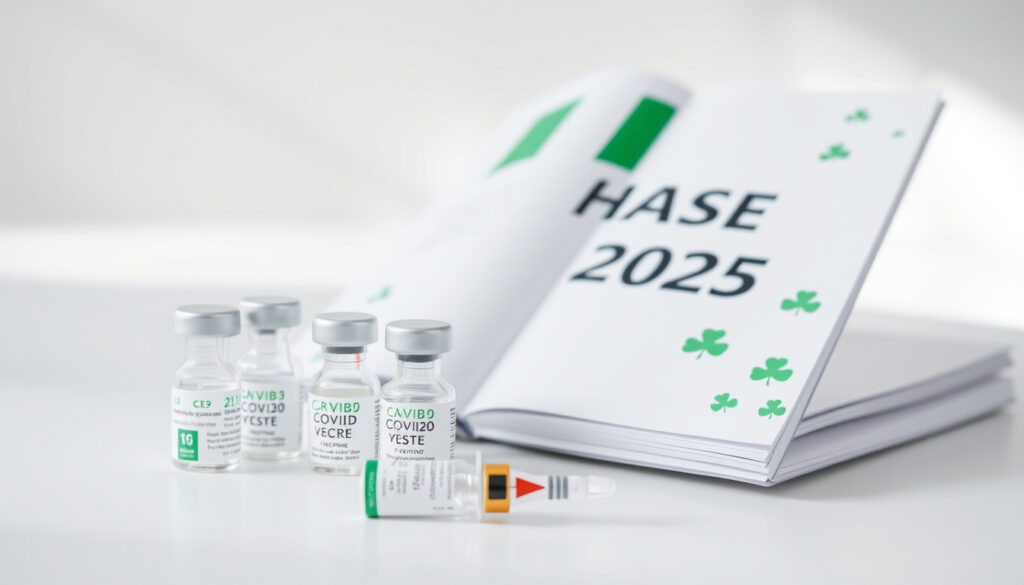
COVID-19 Vaccine Ireland: Types, Boosters & HSE Guide 2025
COVID-19 vaccines are still worth getting for high-risk groups in Ireland. Ireland’s vaccination programme has come a long way since December 2020, when 79-year-old Annie Lynch became the first person here to receive the Pfizer–BioNTech shot at St. James’s Hospital. Today, the HSE is rolling out spring 2025 boosters for those most at risk—and there’s a new updated vaccine designed for the variants currently circulating. Here’s what you need to know about the types on offer, who’s eligible, and whether now is the right time to book.
Available from age: 12 years or over · Booster interval: at least six months after previous dose · Primary protection: from serious illness with COVID-19 · Guidance source: HSE.ie
Quick snapshot
- Ireland’s vaccination programme began on 29 December 2020 (Wikipedia – COVID-19 vaccination in Ireland)
- Spring 2025 booster campaign commenced on 3 April 2025 (NIO News)
- Comirnaty LP.8.1 (Pfizer) is the updated vaccine available for 2025/26 (McCauley Pharmacy)
- Exact recommendations for the full 2026 booster season
- Whether younger, healthy adults will be included in autumn 2025 campaigns
- Booster eligible groups have expanded since 2021, now including children aged 6 months+ with immunocompromise (NIO News)
- At least 3 months recommended between doses (McCauley Pharmacy)
- NIAC continues reviewing evidence for future seasonal campaigns (HSE official guidance)
- Nuvaxovid (Novavax) may become available in Ireland—phone HSELive to register interest (HSE official guidance)
| Label | Value |
|---|---|
| Offered by | HSE and pharmacies |
| Protection against | Serious illness |
| Current guidance | HSE.ie |
| Booster for | Over 60s and eligible groups |
| Updated 2025/26 vaccine | Comirnaty LP.8.1 (Pfizer) |
| Minimum interval | 3–6 months since last dose or infection |
What are different types of COVID vaccines?
COVID-19 vaccines broadly fall into four categories. Each uses a different mechanism to train your immune system to recognise the virus. The U.S. Centers for Disease Control and Prevention (CDC) groups them as follows:
- mRNA vaccines contain genetic instructions (messenger RNA) that tell your cells how to make a harmless piece of the spike protein found on the surface of the virus. Your immune system learns to recognise it. The U.S. Department of Health and Human Services (HHS) notes this technology was studied for decades before being deployed in the pandemic.
- Viral vector vaccines use a modified version of a different virus (not COVID-19) to deliver instructions to your cells. AstraZeneca and Johnson & Johnson (Janssen) fall into this category.
- Protein subunit vaccines contain harmless pieces of the virus (such as the spike protein) without any live virus. Nuvaxovid (Novavax) is the sole example in this group.
- Whole virus vaccines use a deactivated or attenuated form of the virus itself, though these have been less common in Ireland’s programme.
The Irish health system currently focuses on mRNA vaccines for most people. Nuvaxovid is available for those who cannot or prefer not to receive an mRNA shot, though the HSE notes it is not stocked at present—you can register interest by phoning HSELive at 1800 700 700.
The implication: those with specific medical reasons to avoid mRNA technology now have a formal alternative pathway, even if stock remains limited.
What are the side effects of the newest COVID vaccine?
The updated 2025/26 Comirnaty LP.8.1 vaccine shares a similar safety profile to earlier Pfizer shots. Common side effects are generally mild and short-lived. According to the Netherlands National Institute for Public Health and the Environment (RIVM), which tracks European vaccine data, the most frequently reported reactions include:
- Pain, redness, or swelling at the injection site
- Fatigue and headache
- Muscle pain and chills
- Mild fever
These reactions typically peak within one to two days and resolve within a week. RIVM guidance points out that side effects indicate your immune system is responding, not that the vaccine is causing infection.
If you’ve tolerated previous COVID vaccines well, the updated Comirnaty shot is unlikely to surprise you. Serious adverse events remain rare, and the benefit of avoiding severe COVID-19 far outweighs temporary arm soreness for most people.
What this means: people with prior vaccine experience can expect similar temporary discomfort in exchange for meaningful protection against severe outcomes.
Is it still good to get a COVID vaccine?
This is the question many people in Ireland are asking in 2025, and the short answer is: for most people at higher risk, yes. The CDC states that staying up to date with COVID-19 vaccinations continues to reduce the risk of severe illness, hospitalisation, and death—especially for older adults and those with underlying health conditions.
The NIAC updated its recommendations in May 2025, advising that COVID-19 vaccines may be given irrespective of previous dose history, with an interval of six months between shots according to NIAC guidance (PDF). The HSE guidance confirms that a COVID-19 vaccine will offer protection from serious illness, which remains the primary goal.
Vaccination does not guarantee you will not contract COVID-19, and vaccinated individuals can still transmit the virus to others. However, Mercer’s Medical Centre notes that vaccinated people who do get infected often experience milder symptoms and are less likely to pass it on.
Younger, healthy adults with multiple prior boosters gain less incremental protection per additional dose. But for those aged 60+, immunocompromised individuals, or those in long-term care, skipping a booster carries meaningfully higher risk of hospitalisation.
Is it still worth having the COVID vaccine?
For eligible groups in Ireland, spring 2025 booster eligibility includes people aged 80 and over, those aged 70–79 who have not received a vaccine in the past 12 months, adults aged 18+ in long-term care facilities, and anyone aged 6 months and older with a weakened immune system according to NIO News. If you fall into one of these categories, the answer is clearly yes—protected against severe outcomes.
Should I get a COVID vaccine in 2026?
Full 2026 recommendations had not been finalised at the time of writing. The pattern in Ireland suggests autumn seasonal campaigns will continue for high-risk groups. Watch HSE.ie for updates as NIAC reviews the evidence.
The pattern: NIAC’s May 2025 guidance signals continued seasonal booster recommendations for at-risk populations, making it likely that autumn 2025 and 2026 campaigns will follow a similar structure.
What COVID vaccines were given in Ireland?
Ireland’s vaccination journey began on 29 December 2020, when Annie Lynch, a 79-year-old woman, became the first person in the Republic of Ireland to receive the Pfizer–BioNTech vaccine at St. James’s Hospital, Dublin per Wikipedia. By August 2021, 90% of adults were partially vaccinated and 80% fully vaccinated according to the same source.
The range of vaccines used over time:
- Pfizer–BioNTech (Comirnaty) — the workhorse of Ireland’s programme from day one. Now updated to the LP.8.1 variant-targeting version.
- Moderna — mRNA vaccine used in some phases.
- AstraZeneca (Vaxzevria) — viral vector vaccine offered to younger adults from July 2021 at vaccination centres per Wikipedia.
- Johnson & Johnson (Janssen) — single-dose viral vector option distributed through over 500 pharmacies from 5 July 2021 to people aged 18–34 per Wikipedia.
- Nuvaxovid (Novavax) — protein subunit vaccine that remains available by special request but is not currently stocked.
Ireland has used a broad mix of platforms, but the current recommendation points clearly to Comirnaty LP.8.1 as the standard option. Other vaccines from earlier phases are no longer offered as first-line choices.
The catch: early adopters who received AstraZeneca or Janssen now face a narrower path if they want boosters, as these viral vector vaccines are no longer part of the standard programme.
COVID vaccine names Ireland
If you’re looking for the specific brand name, the current standard is Comirnaty (manufactured by Pfizer). The version designed for recent variants is Comirnaty LP.8.1, administered as a 30-microgram dose for those aged 12 and over according to McCauley Pharmacy.
Which current COVID-19 vaccine is best?
For most people in Ireland, Comirnaty (Pfizer) is the recommended option. Both it and Moderna’s Spikevax are mRNA vaccines with strong efficacy records against severe disease. Research including a 2022 study cited by Reuters found that Moderna’s booster may offer slightly stronger protection for older people, though both are considered highly effective.
The choice between Pfizer and Moderna may also come down to availability and personal tolerance—Moderna’s dose has historically carried a slightly higher rate of short-term side effects like fatigue and headache.
Nuvaxovid (Novavax) uses a more traditional protein subunit approach, which some people prefer if they are cautious about mRNA technology. As of spring 2025, it is not stocked in Ireland but you can register interest through HSELive.
What this means: patients who want Novavax must proactively contact HSELive rather than arriving at a pharmacy or clinic expecting it to be available.
Which is better for seniors, Pfizer or Moderna?
For adults aged 60 and over—the group most encouraged to get spring 2025 boosters—either mRNA vaccine is a solid choice. Ireland’s NIAC has not expressed a preference between them for older adults. The most important action is to receive any eligible booster, not to delay waiting for a specific brand.
The implication: delaying vaccination to secure a preferred brand leaves seniors exposed to preventable severe COVID-19 during the waiting period.
Here’s how the currently available vaccines compare across key attributes:
| Vaccine | Type | Current availability | Recommended for |
|---|---|---|---|
| Comirnaty LP.8.1 (Pfizer) | mRNA | Available now | Most people aged 12+ |
| Spikevax (Moderna) | mRNA | Available | Adults; alternative to Pfizer |
| Nuvaxovid (Novavax) | Protein subunit | Not stocked; register via HSELive | Those unable to have mRNA |
| AstraZeneca | Viral vector | No longer offered | Not currently in use |
| Janssen (J&J) | Viral vector | No longer offered | Not currently in use |
The technical specifications for the 2025/26 campaign are as follows:
| Specification | Detail |
|---|---|
| Standard vaccine | Comirnaty LP.8.1 (Pfizer) |
| Vaccine type | Updated mRNA, variant-targeted |
| Dose for ages 12+ | 30 micrograms |
| Minimum interval since previous dose | 3 months |
| Minimum interval since infection | 3 months |
| Booster eligibility | Ages 80+, 70–79 (12-month gap), 18+ in long-term care, immunocompromised from 6 months |
| Administration | HSE vaccination centres, pharmacies (McCauley’s, Boots) |
| Cost | Free through HSE programme |
| Where to book | HSE online system, walk-in centres for eligible groups |
Upsides
- Strong protection against hospitalisation and death from COVID-19
- Free to eligible groups through HSE
- Updated vaccines designed for current variants
- Multiple access points: HSE clinics, McCauley Pharmacy, Boots, walk-ins
- Wide eligibility: ages 12+ for primary course, boosters from 6 months for immunocompromised
Downsides
- Vaccination does not prevent all infection or transmission
- Protection against infection wanes over time, requiring boosters
- Nuvaxovid not currently stocked in Ireland
- Minority of people (at least 5%) do not develop adequate protection per Mercer’s Medical Centre
- Side effects, though temporary, can be uncomfortable for 24–48 hours
How to get a COVID vaccine in Ireland
Getting vaccinated in Ireland is straightforward if you know where to go. The HSE, pharmacies like McCauley’s and Boots, and walk-in centres serve eligible groups. Here are the practical steps:
- Check your eligibility. Spring 2025 boosters are available to people aged 80 and over, those aged 70–79 who have not had a COVID vaccine in the past 12 months, adults aged 18 and over in long-term care facilities for older adults, and anyone aged 6 months and over with immunocompromise per NIO News. For primary courses, anyone aged 12 and over is eligible.
- Book online or walk in. You can book appointments at HSE vaccination centres through the HSE online system. Many pharmacies also offer walk-in booster clinics. Boots Ireland and McCauley Pharmacy are among the participating chains.
- Bring ID and your vaccination record. Having your PPS number and previous vaccination details on hand helps staff check your eligibility and record your dose correctly.
- Wait the minimum interval. If you have had COVID-19 or a previous vaccine dose, wait at least 3 months before your next shot per McCauley Pharmacy guidance.
- Register interest in Nuvaxovid if needed. Phone HSELive on 1800 700 700 to be contacted when Novavax becomes available in Ireland.
Booster campaigns and eligibility criteria change as NIAC reviews new evidence. Check HSE.ie regularly, especially before autumn 2025, when the next seasonal campaign is expected to launch.
Ireland ranked first in the EU for both adult vaccination rates and booster doses administered per Wikipedia—yet questions about whether to vaccinate persist. The programme’s success is part of why the question feels less urgent: many people simply didn’t get seriously ill. That protection is now fading, and the case for boosters for at-risk groups remains strong.
Confirmed facts and open questions
The picture on COVID-19 vaccination in Ireland has several confirmed elements alongside areas where uncertainty remains.
- Confirmed: Ireland’s vaccination programme began 29 December 2020 per Wikipedia.
- Confirmed: The spring 2025 booster campaign launched on 3 April 2025 with eligibility for specific high-risk groups per NIO News.
- Confirmed: The current vaccine is Comirnaty LP.8.1 (Pfizer) per McCauley Pharmacy.
- Open: Full autumn 2025 or 2026 booster recommendations for younger, healthier adults have not been published.
- Open: Whether updated Novavax batches will be brought into stock in Ireland remains to be seen.
What this means: people outside current eligibility groups should monitor official channels closely, as recommendations may expand as autumn 2025 campaigns are planned.
“A COVID-19 vaccine will offer you protection from serious illness.”
— HSE (Health Service Executive Ireland)
“Staying up to date with COVID-19 vaccines continues to reduce the risk of severe illness.”
Ireland’s COVID-19 vaccination programme has evolved dramatically since Annie Lynch received that first Pfizer dose in December 2020. Today, the focus is squarely on seasonal boosters for those most at risk of severe outcomes. For people aged 60 or over, those with weakened immune systems, or residents of long-term care facilities, the case for staying up to date remains straightforward. For younger, healthy adults with multiple prior doses, the calculus is less clear—but the option remains open, and guidance will continue to develop.
Related reading: HSE Spring 2025 COVID-19 Booster Campaign · COVID-19 Spring Booster Vaccination
vaccine-schedule.ecdc.europa.eu, poppintreepharmacy.ie, www2.hse.ie, hselibrary.ie
For those over 60 weighing another dose, Ireland’s boosters for over-60s in Ireland outlines how the HSE booster programme has evolved since early campaigns.
Frequently asked questions
Is COVID vaccine free in Ireland?
Yes. The COVID-19 vaccine is free through the HSE vaccination programme for all eligible groups. You do not pay out of pocket at HSE clinics or participating pharmacies.
What chemists are giving COVID vaccine?
Major pharmacy chains including McCauley Pharmacy and Boots offer COVID-19 vaccines and boosters. Availability varies by location and eligibility criteria. Check with individual pharmacies or the HSE website for current walk-in options.
Is the COVID vaccine still worth having in 2025?
For people aged 60+, those with underlying health conditions, and immunocompromised individuals, vaccination continues to offer meaningful protection against severe COVID-19. For younger, healthy adults, the personal benefit is smaller but may still apply as seasonal campaigns develop.
Who is eligible for the HSE COVID booster for over 60s?
For spring 2025, adults aged 80 and over, those aged 70–79 who have not received a COVID-19 vaccine in the previous 12 months, adults aged 18+ living in long-term care facilities for older adults, and immunocompromised from 6 months are eligible.
Can I get a COVID booster as a walk-in?
Yes, many HSE vaccination centres and pharmacies offer walk-in boosters for eligible groups. Check HSE.ie or contact your local pharmacy to confirm current walk-in availability.
Why are some people hesitant about the COVID vaccine?
Concerns about side effects, distrust of rapid vaccine development, belief that COVID-19 is no longer a serious threat, and personal or religious objections have all contributed to vaccine hesitancy in Ireland and globally. However, these reasons do not change the clinical evidence that vaccination reduces severe outcomes for high-risk groups.
Is there a 5th COVID vaccine booster in Ireland?
Ireland does not use a “fifth dose” labelling system. Instead, NIAC recommends seasonal boosters for eligible groups. If you are in a high-risk category and have already had multiple doses, you may receive a spring 2025 booster if you meet the eligibility criteria.
More related posts
 Our Tampines Family Clinic: Hours, CHAS & Services
 POP Hotel Airport Jakarta: Reviews, Shuttle, and Distance
 A-Level Results 2025: Key Stats and Trends
 Guangzhou Weather in March 2026: Average Temps & Travel Tips
 Happy Birthday Wishes: Simple Text Messages That Work
 Batik Air Online Check-In: Timing, Steps & Mobile App Guide
 Buriram United vs Johor Darul Ta’zim: Comparison & Records
 Man U vs Arsenal 2026: TV channel, head-to-head & preview