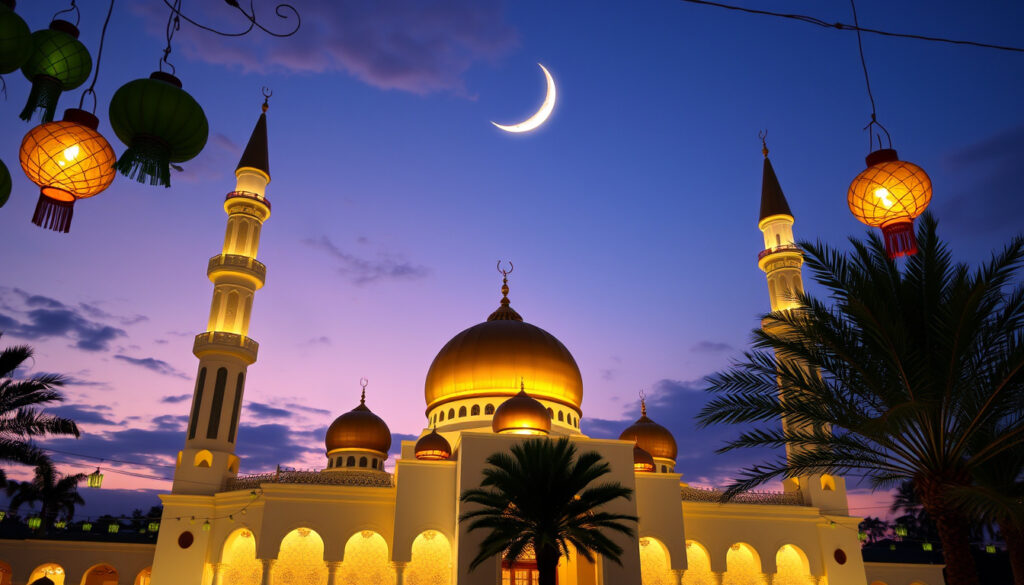
Hari Raya Haji Singapore – Dates, Significance and Traditions
Hari Raya Haji, also known as Eid al-Adha or the Festival of Sacrifice, holds significant religious and cultural importance for Muslims in Singapore. As one of the most anticipated occasions in the Islamic calendar, this celebration brings together communities for prayers, reflection, and acts of charity. Understanding the dates, significance, and practical arrangements for Hari Raya Haji helps Singaporeans and visitors plan accordingly for this important public holiday.
The festival commemorates the willingness of Ibrahim (Abraham) to sacrifice his son as an act of obedience to God, before being redirected to sacrifice an animal instead. This profound narrative of faith and surrender forms the foundation of the observance, making Hari Raya Haji a deeply meaningful occasion for those who celebrate it. In Singapore’s multicultural society, the holiday serves as a testament to the nation’s commitment to religious harmony and mutual respect among its diverse population.
For those planning ahead, the dates of Hari Raya Haji shift annually as they are determined by the lunar Islamic calendar. This article provides confirmed dates, practical information, and context to help readers navigate the holiday season effectively.
When is Hari Raya Haji in Singapore?
The dates for Hari Raya Haji are determined by the lunar calendar, specifically the sighting of the Hijri month of Dhul Hijjah. This means the festival falls on different dates each year in the Gregorian calendar, requiring annual announcement by the Islamic Religious Council of Singapore (MUIS) and confirmation by government authorities.
Official Hari Raya Haji Dates
The Ministry of Manpower officially announced the 2025 public holiday dates, confirming Hari Raya Haji among the recognized holidays in Singapore. The 2024 celebration fell on Monday, 17 June, while the 2025 observance is scheduled for Saturday, 7 June. The 2026 date has been set for Wednesday, 27 May, according to official government records.
Key Facts About Hari Raya Haji
- Hari Raya Haji is a gazetted public holiday in Singapore, recognized by the Ministry of Manpower
- The festival is also referred to as Eid al-Adha and the Festival of Sacrifice
- Dates vary annually based on the lunar Islamic calendar
- The holiday commemorates Ibrahim’s willingness to sacrifice his son in obedience to God
- Observance involves prayers, the Korban ritual, and distribution of meat to those in need
- Singapore recognizes multiple religious holidays, reflecting its multicultural fabric
- When falling on a weekend, additional leave arrangements may be needed for long weekends
| Aspect | Details |
|---|---|
| Official Name | Hari Raya Haji |
| Also Known As | Eid al-Adha, Festival of Sacrifice |
| 2024 Date | Monday, 17 June 2024 |
| 2025 Date | Saturday, 7 June 2025 |
| 2026 Date | Wednesday, 27 May 2026 |
| Holiday Status | Gazetted Public Holiday |
| Observance Duration | One Day |
| Determined By | Lunar Calendar (Hijri) |
Is Hari Raya Haji a Public Holiday in Singapore?
Yes, Hari Raya Haji is recognized as a gazetted public holiday in Singapore. The Ministry of Manpower officially includes this festival among the nation’s public holidays, meaning that employees are entitled to a day off work or applicable holiday pay if required to work. This official recognition underscores the significance of the occasion within Singapore’s legal and cultural framework.
As part of Singapore’s commitment to multiculturalism, Hari Raya Haji stands alongside other major religious holidays such as Chinese New Year, Vesak Day, Deepavali, Good Friday, and Christmas. This inclusive approach reflects the nation’s efforts to accommodate and celebrate the diverse religious traditions of its population, fostering social harmony and mutual respect among different communities.
School Closures on Hari Raya Haji
Schools in Singapore are typically closed on Hari Raya Haji since it falls on the public holiday list. For parents and students seeking information about broader school holiday schedules, resources like the Polytechnic School Holidays 2025 – Confirmed Dates and Gaps provide comprehensive guidance on academic breaks throughout the year.
When Hari Raya Haji falls on a weekend, as it does in 2025 on Saturday, 7 June, workers may need to use annual leave or other leave types to extend the break. For 2025, taking Monday, 9 June as leave creates a full long weekend, allowing families additional time for gatherings and activities.
What is Hari Raya Haji and How Does It Differ from Hari Raya Puasa?
Hari Raya Haji, known internationally as Eid al-Adha or the Festival of Sacrifice, is one of two major celebrations in the Islamic calendar. The festival commemorates the pivotal event in which Ibrahim (Abraham) demonstrated supreme obedience to God by being willing to sacrifice his son, only to be redirected to sacrifice an animal when divine intervention revealed his steadfast faith.
The theological significance of Hari Raya Haji centers on themes of submission, gratitude, and charity. Muslims around the world observe this occasion through prayers at mosques, the performance of the Korban or Qurbani ritual (sacrifice of an animal), and the distribution of meat to family, friends, and those less fortunate. This act of sharing embodies the spirit of generosity that the festival promotes.
Key Distinctions Between Hari Raya Haji and Hari Raya Puasa
| Aspect | Hari Raya Haji | Hari Raya Puasa |
|---|---|---|
| Also Known As | Eid al-Adha, Festival of Sacrifice | Eid al-Fitr, Festival of Breaking the Fast |
| Timing | 10th Dhul Hijjah (end of Hajj pilgrimage) | 1st Shawwal (after Ramadan month) |
| Significance | Commemorates Ibrahim’s sacrifice | Celebrates completion of Ramadan fasting |
| Central Practice | Korban (Qurbani) animal sacrifice | End of fasting period |
| Focus | Charity, sacrifice, sharing meat | Gratitude, family gatherings, forgiveness |
While both celebrations are important Islamic festivals that bring families together, Hari Raya Puasa marks the end of the Ramadan fasting month and emphasizes spiritual renewal and gratitude. Hari Raya Haji, occurring during the Hajj pilgrimage season, focuses more intensely on sacrifice, charity, and the distribution of meat to those in need. Both occasions feature prayers at mosques and festive gatherings, but their underlying theological narratives and symbolic practices differ significantly.
How is Hari Raya Haji Celebrated in Singapore?
In Singapore, Hari Raya Haji is observed with a blend of religious devotion and community celebration. The day typically begins with special prayers at mosques, where Muslims gather to perform the obligatory prayers and listen to sermons that reflect on the meaning of the festival. This spiritual gathering serves as the communal anchor of the celebration.
The practice of Korban (Qurbani) involves the ritual sacrifice of animals, traditionally sheep, goats, cattle, or camels, following the completion of Eid prayers. The meat from these sacrifices is then divided into three portions: one for the family, one for relatives and friends, and one for the poor and needy. This distribution practice embodies the festival’s core message of sharing and caring for the community.
Key Activities During Hari Raya Haji
- Attending special prayers at mosques, typically held in the morning
- Performing the Korban ritual and distributing sacrificial meat
- Visiting family and friends to exchange greetings and well-wishes
- Wearing new or festive clothing, often in traditional attire
- Preparing special dishes and treats for gatherings
- Giving alms or donations to charitable causes and the less fortunate
- Reflecting on the themes of sacrifice, obedience, and gratitude
The festive atmosphere extends beyond religious observances to encompass social gatherings and cultural expressions. Families often travel to visit relatives, homes are decorated, and special foods are prepared. For those seeking halal dining options during the festive season or throughout the year, exploring local eateries can enhance the celebration experience.
Many families begin preparing for Hari Raya Haji days in advance, purchasing ingredients for traditional dishes and ensuring charitable contributions are organized. Mosques and community organizations often coordinate group prayers and meat distribution efforts to ensure accessibility for all community members.
Practical Tips for Hari Raya Haji in Singapore
Planning ahead ensures a smooth and meaningful celebration of Hari Raya Haji. Whether attending prayers, hosting gatherings, or simply navigating the holiday period, several practical considerations can help Singaporeans make the most of this significant occasion.
Planning Your Hari Raya Haji
- Verify the official date announcement from MUIS or government sources before making plans
- Check mosque prayer schedules, as timings may vary between venues
- Arrive early at popular mosques if attending communal prayers
- Consider traffic and public transport adjustments that may apply on the day
- Plan long weekend arrangements in advance if the holiday falls near a weekend
- Stock up on groceries and festive supplies early to avoid last-minute pressure
- Reach out to family and friends to coordinate visit schedules
Public transport services may operate on modified schedules during public holidays, so checking in advance helps avoid inconvenience. For those traveling to mosques or family gatherings, leaving home earlier than usual is advisable due to potentially increased traffic conditions.
When Hari Raya Haji falls on a weekend, employees wishing to extend the break should arrange leave with their employers in advance. The Ministry of Manpower provides guidance on leave entitlements, and those with limited annual leave should plan accordingly to maximize family time during the festive period. For those seeking to extend their break, arranging leave with employers in advance is crucial, and you can find more information about Hari Raya Haji in Singapore at Mee Siam Singapore.
Historical Timeline of Hari Raya Haji Dates
Understanding how Hari Raya Haji dates have shifted over recent years provides context for planning future celebrations. The lunar calendar means the festival moves approximately 11 days earlier each year in the Gregorian calendar, creating a gradually shifting observance period.
- 2020 — Hari Raya Haji fell on 31 July 2020
- 2021 — The celebration occurred on 20 July 2021
- 2022 — Observance took place on 10 July 2022
- 2023 — The festival was held on 29 June 2023
- 2024 — Hari Raya Haji on Monday, 17 June 2024
- 2025 — Scheduled for Saturday, 7 June 2025
- 2026 — Set for Wednesday, 27 May 2026
The pattern demonstrates a generally eastward progression through the calendar year, with dates clustering between late May and early August. This variation underscores the importance of checking official announcements each year rather than relying on memory of previous dates.
Confirmed Information and Areas of Uncertainty
| Established Information | Information Requiring Confirmation |
|---|---|
| Hari Raya Haji 2024 date: 17 June (confirmed by MOM) | Specific mosque prayer times (announced closer to date) |
| Hari Raya Haji 2025 date: 7 June (confirmed by MOM) | Public transport service adjustments |
| Status as gazetted public holiday | Detailed school holiday schedules |
| Religious significance commemorating Ibrahim’s sacrifice | MUIS-specific announcements for 2025 observance |
| Practice of Korban and meat distribution | Community event specifics at local mosques |
| Multicultural recognition alongside other holidays | Specific traffic management arrangements |
While confirmed dates and official status are well-established through government sources, certain practical details such as prayer times and transport adjustments are typically announced closer to the festival date. Readers are encouraged to verify such information through official channels nearer to Hari Raya Haji.
Singapore’s Multicultural Approach to Hari Raya Haji
Singapore’s recognition of Hari Raya Haji as a public holiday exemplifies the nation’s broader commitment to multiculturalism and religious harmony. The festival sits alongside other significant religious observances including Chinese New Year, Vesak Day, Deepavali, Good Friday, and Christmas, reflecting the diverse fabric of Singaporean society.
This inclusive approach extends beyond mere symbolic recognition. Non-Muslim Singaporeans often join in celebrating Hari Raya Haji by visiting Muslim friends and colleagues, sharing in the festive joy, and deepening cross-cultural understanding. Schools incorporate learning about multiple religious traditions, fostering mutual respect from an early age.
The celebration also contributes to Singapore’s social cohesion by demonstrating that diverse communities can thrive together while maintaining their distinct traditions. Hari Raya Haji serves as a reminder of shared values such as family bonds, charitable giving, and gratitude that transcend cultural boundaries.
Sources and Official Announcements
The Ministry of Manpower officially announced the 2025 public holiday dates, confirming Hari Raya Haji among the recognized holidays for the year.
— Ministry of Manpower, Singapore
Hari Raya Haji, also known as Eid al-Adha, commemorates the willingness of Ibrahim (Abraham) to sacrifice his son in obedience to God’s command.
— Public Holiday Information Resources
For authoritative information, the Ministry of Manpower website provides the official list of public holidays, while the Islamic Religious Council of Singapore (MUIS) offers guidance on religious observance matters. Channel NewsAsia has reported on the multicultural context of Singapore’s public holidays, including the integration of Hari Raya Haji within the nation’s diverse celebrations.
Summary
Hari Raya Haji stands as a significant religious observance and public holiday in Singapore, celebrating themes of sacrifice, obedience, and charitable sharing. The confirmed dates for 2024 (17 June) and 2025 (7 June) allow Singaporeans to plan ahead, while the gazetted holiday status ensures workers can observe the occasion with their families. Understanding the festival’s meaning, distinguishing it from Hari Raya Puasa, and knowing practical arrangements help all Singaporeans participate meaningfully in this important celebration.
When is Hari Raya Haji 2025 in Singapore?
Hari Raya Haji 2025 falls on Saturday, 7 June 2025. It is a gazetted public holiday in Singapore.
Is Hari Raya Haji a public holiday in Singapore?
Yes, Hari Raya Haji is a gazetted public holiday in Singapore, officially recognized by the Ministry of Manpower.
What is the difference between Hari Raya Haji and Hari Raya Puasa?
Hari Raya Haji (Eid al-Adha) commemorates Ibrahim’s willingness to sacrifice his son and focuses on the Korban ritual. Hari Raya Puasa (Eid al-Fitr) marks the end of Ramadan fasting and emphasizes spiritual renewal.
What is the meaning of Hari Raya Haji?
Hari Raya Haji, also called Eid al-Adha or the Festival of Sacrifice, commemorates the willingness of Ibrahim (Abraham) to sacrifice his son in obedience to God.
Are schools closed on Hari Raya Haji?
Yes, schools in Singapore are closed on Hari Raya Haji as it is a recognized public holiday.
What is the Korban ritual?
Korban (or Qurbani) is the ritual sacrifice of an animal during Hari Raya Haji. The meat is distributed among family, friends, and those in need, embodying the festival’s spirit of sharing and charity.
How can I extend the Hari Raya Haji weekend?
When Hari Raya Haji falls on a weekend, workers may use annual leave to extend the break. For 2025, taking Monday, 9 June as leave creates a three-day long weekend.
What other holidays are recognized alongside Hari Raya Haji in Singapore?
Singapore recognizes multiple religious holidays including Chinese New Year, Vesak Day, Deepavali, Good Friday, and Christmas, reflecting the nation’s multicultural diversity.
More related posts
 Redmi Note 11S 5G to Buy: Is It Still Worth It in 2025
 How to Vote 2025: Irish Presidential Election Guide
 Guangzhou Weather in March 2026: Average Temps & Travel Tips
 Brian Wong Shi Xiang Sentenced: Megan Khung Case
 Hakka Yu @ JEM Menu: Prices, Dishes & Reviews
 How to Insert a Tick in Word: 5 Methods for Windows, Mac, and Mobile
 Cast of A Minecraft Movie: Full List, Cameos, and Viral Moments
 Go.gov.sg CDC Voucher 2026: How to Claim & Redeem